Articles by Admin

Articles by Admin

  • Guide to Introducing a New Pet to Your Household
    October 28, 2024
    6592 view(s)

    Guide to Introducing a New Pet to Your Household

    Bringing a new pet home can be pretty exciting. Whether you’re adding a dog or cat to your family, the energy of having a new companion can fill your household with fresh warmth.

    A pet’s playful antics and affectionate behaviours can add a sense of fun and spontaneity to your daily routine. Dogs and cats also have a way of instantly making you feel happier with their unconditional love, making them a valuable addition to your family.

    Enjoying the joys of having a new pet, though, depends greatly on preparing your home properly for them. This means getting the right accessories and healthy treats for dogs or cats that help them feel comfy and happy in your home.  

    Making your pet feel comfortable and happy in their new home also entails introducing them to your family – two-legged and four-legged members alike.  


    Why Is Properly Introducing a New Pet to Your Family Important?

    Properly introducing your new pet to your other dogs and cats is crucial for maintaining harmony in the household. Pets tend to be territorial and can become anxious when they experience a sudden change in their environment.

    Your current furry friends may also feel stressed when they meet the newest member of your family.

    Taking the time to introduce your new pet properly helps create a safe and comfortable environment for everyone. It allows your latest family member to build trust and form positive relationships at their own pace. It also helps prevent feelings of jealousy or competition, ensuring your home stays a happy place for both your current and new furry friends.

    Failure to carry out this step correctly could lead to conflicts, behavioural issues, and even health problems among your pets, so take it seriously.


    Vital Tips for Bringing a New Pet Home

    Below are the top tips to follow when you’re welcoming a new pet into the household:


    1. Set up a safe, comfy space for your new family member.

    The first step in welcoming a new pet to your home is to create a safe, cosy space for them where they can relax and sleep. Start by buying a good-quality cat or dog bed so your furry friend can get enough rest day or night.

    Make sure this area is far away from where you store your cleaning supplies and other products that are dangerous for pets. Keep these items inside locked cabinets or hard-to-reach places.

    It’s best to separate this area from your other pets’ sleeping space so they won’t be overwhelmed or scared by your other four-legged family members.


    2. Prepare your pet’s essential supplies.

    Aside from a bed, you also need a few other things to make your furry friend feel welcome in your home.

    These include:

    • Pet crate or carrier
    • Pet gates and partitions
    • Food and water bowls
    • Collar and ID tag
    • Leash and harness
    • Grooming tools and supplies
    • Interactive, comfort, and training toys

    If you’re bringing home a cat, get a litter box and a  cat tree or scratching post.

    Make sure you also have the right cat or dog food at hand. It should be suitable for their age and nutritional requirements and meet their health needs if they have a medical condition.

    You should also have a sufficient supply of your furry friend’s medications and supplements prescribed by the vet.


    3. Bring your pet to a vet.

    If you haven’t brought your new furry friend to a vet yet, make an appointment before the big day.

    The vet will check your pet to ensure they are healthy and free of any illnesses or parasites that could spread to your current four-legged household members. The specialist will discuss your animal friend’s treatment plan if they have a condition, and their nutritional needs to ensure you give them the right food.

    During the checkup, the vet can also give you advice on vaccinations, spaying or neutering, and any grooming needs your pet may have.


    4. Inform your children of the newest family member’s arrival.

    Kids, especially younger ones, can get pretty excited about having a new furry friend at home. However, they may not know how to take care of a cat or dog or interact properly with them, particularly if you don’t give them a lot of pet-sitting responsibilities.

    Talking to your children before the pet arrives can help set expectations and keep everyone safe.

    Discuss with your kids the new pet’s needs, such as food, grooming, and personal space. Explain that the dog or cat may need time to adjust to an unfamiliar environment, which is why they should be patient with them.

    Remind your kids to be gentle with the newest member of your family so that they won’t hurt themselves or the pet.

    You can also involve your little ones in buying food bowls, bedding, grooming supplies, training toys, and other essentials to help them feel involved in the process.


    5. Give your furry friend space.

    Once you bring your new pet home, give them time to become familiar with their new environment. This means avoiding rushing the entire process of introducing them to your household.

    Let your furry friend stay in their designated space first, which you should have set up before their arrival. Make sure they have everything they need here, including their cat or dog toys and food and water bowls since you need to feed them here temporarily.

    Observe your pet closely during this period. Take note of any changes in their behaviour, such as being afraid or nervous, when you or another person approaches them. You may need to take it slowly when going near them if you see these signs of distress.

    If your furry friend is comfortable with you and the other persons in your home and is happy in their space, reinforce this behaviour by rewarding them with constant affection and praise.

    But even if your pet is energetic and happy, don’t introduce them to their fellow furry friends yet. Give them more time to fully adjust to you and their new home.


    6. Gradually introduce your pet to your entire household.

    When you think your furry friend is confident enough to leave their space, give them a tour of your home. Show them each room and let them sniff around and circle the area.

    While giving them a tour, teach them which places they can and cannot enter.

    If you have a new cat, expect them to go and hide or stay in open closets, under beds, and dark areas when you give them the tour. Wait for them to come out before allowing them to explore the other rooms.

    Avoid forcing your cat to leave their hiding spot since they’ll come out when they’re ready.


    7. Use scents to introduce your pet to your other four-legged family members.

    Before introducing the newest member of your family to your current furry companions, let them know each other’s scents first.

    Doing so can help them become familiar with each other’s scents, which can reduce their nervousness and anxiety when they finally meet physically.

    To do this, mix their cat beds and bedding or blankets together. Use their unwashed ones so these items retain their scents and your four-legged friends can smell them.

    You can also rub a hanky or small piece of cloth over your new pet and give it to the others to sniff. Do the same with your current four-legged companions for the newest member to smell.


    8. Keep in mind that dogs and cats require a different approach.

    Dogs and cats differ in behaviour, which means you need to follow different steps and strategies for introducing them to your current four-legged family members.

    How to introduce dogs to each other

    If you have a new pup, choose a nearby park or open field for their first dog meeting. Have a companion hold the leash of each canine and allow the pets to see and smell each other.

    Do the same if you’re introducing your pets at home. Keep the dogs on a leash and make sure the door or gate is open so they can leave the area when they feel scared or overwhelmed.

    How to introduce cats to each other

    If you brought home a cat, start the introductions by placing them in one area, but separate them from each other with a screen door or baby gate. If your new pet has their own room, open their door slightly so your other feline friends can see each other but won’t fit through the door.

    If your cats are comfortable with each other, they’ll play through the door or gate and sniff noses. When you observe this, you can let them stay in one area. Prepare some cat toys so that your pets can play with each other.


    9. Use positive reinforcement.

    When you reward your pet’s good behaviour with treats and verbal praise, you encourage them to feel comfortable and cooperative around each other.

    If your current pets remain calm or show curiosity instead of aggression when their new furry companion is around, immediately offer them a treat and some encouraging words. This reinforces the idea that good things happen when they mingle.

    Rewarding your new pet for their calm and friendly behaviour can help them adjust more confidently to their new home.

    Positive reinforcement strengthens the bond between your pets, helps reduce stress, and prevents conflicts. As such, be generous with these.


    The Joys of Having a New Pet

    Having a new pet in your home can be rocky at first. But with these tips, you can give them the welcome they deserve, and help them become a wonderful addition to your family.

    Read more pet care tips on our Blog page.

  • A Quick Guide to Grooming Your Dog at Home
    October 22, 2024
    3274 view(s)

    A Quick Guide to Grooming Your Dog at Home

    Dog grooming goes beyond keeping your pet good-looking; it also ensures they are healthy.  Regular grooming can help prevent issues like ear and eye infections, constricted blood flow, and other health concerns caused by chronically matted fur. 

    It has also been found that grooming helps to reduce anxiety and stress among dogs and bolster the bond between the pet parent and their furbaby.

    In this guide, we’ll show you the basics of pet grooming, covering all the essential tools and tasks you need to learn to ensure your pet’s overall well-being.


    Dog Grooming Essential Tools and Supplies

    Are you overwhelmed by the number of dog grooming products in the market? Here’s a list of the essentials you need to have for safe and efficient pet grooming at home.


    Brushes

    Choose appropriate brushes for the length and texture of your pet’s coat to prevent discomfort and unnecessary damage.

    For example, a slicker brush can help remove tangles, loose fur, and matts for pups with medium to long fur, while a bristle brush is ideal for short-haired breeds.


    Deshedding tool

    A deshedding tool can help remove loose fur efficiently, especially during high-shedding periods.


    Detangling spray

    Detangling products, which usually come in the form of a spray, can help loosen knots and tangles on your pet’s fur.


    Dog shampoo

    Experts recommend using shampoo specifically formulated for dogs. Product variants are also available for curly hair, sensitive skin, and more.


    Towels

    Microfibre and other absorbent fabric towels help remove excess moisture quickly after a bath.


    Nail file and clippers

    Like brushes, there are also a variety of nail clippers that cater to the specific needs and preferences of pet parents and their fur babies.

    Guillotine clippers, for instance, have a hole where the nail is inserted and a blade that cuts through the nail. Meanwhile, scissor clippers look like regular scissors but have a notch that holds the nail in place during the trimming.

    Aside from clippers, you’ll also need tools to file down your pet’s nails. A good example is a grinder tool, which rotates to grind down the nail naturally to get smoother edges.


    Dog toothbrush and toothpaste

    Dog dental care is not that different from what we do for our oral health. There are toothbrushes for dogs that have soft bristles, although these usually come with a more flexible shape. Dog toothpaste flavours (e.g., poultry and beef) are also made specifically more appealing for canines.


    Grooming apron and gloves

    Pet grooming at home can become messy if you’re not thoroughly prepared. Wear a grooming apron to keep your clothing dry and clean during grooming sessions. Gloves are also indispensable as they help remove loose hair while simultaneously giving your pet a gentle massage.


    Key Tasks When Home Grooming Your Dog

    Dog grooming goes beyond enhancing your pup’s outer appearance. While it does help make your pet look their best, it is also vital to keeping them healthy, fit, and happy.

    Here, we tackle all the key tasks you need to learn to ensure safety and efficiency when home grooming your dog.


    1. Coat brushing

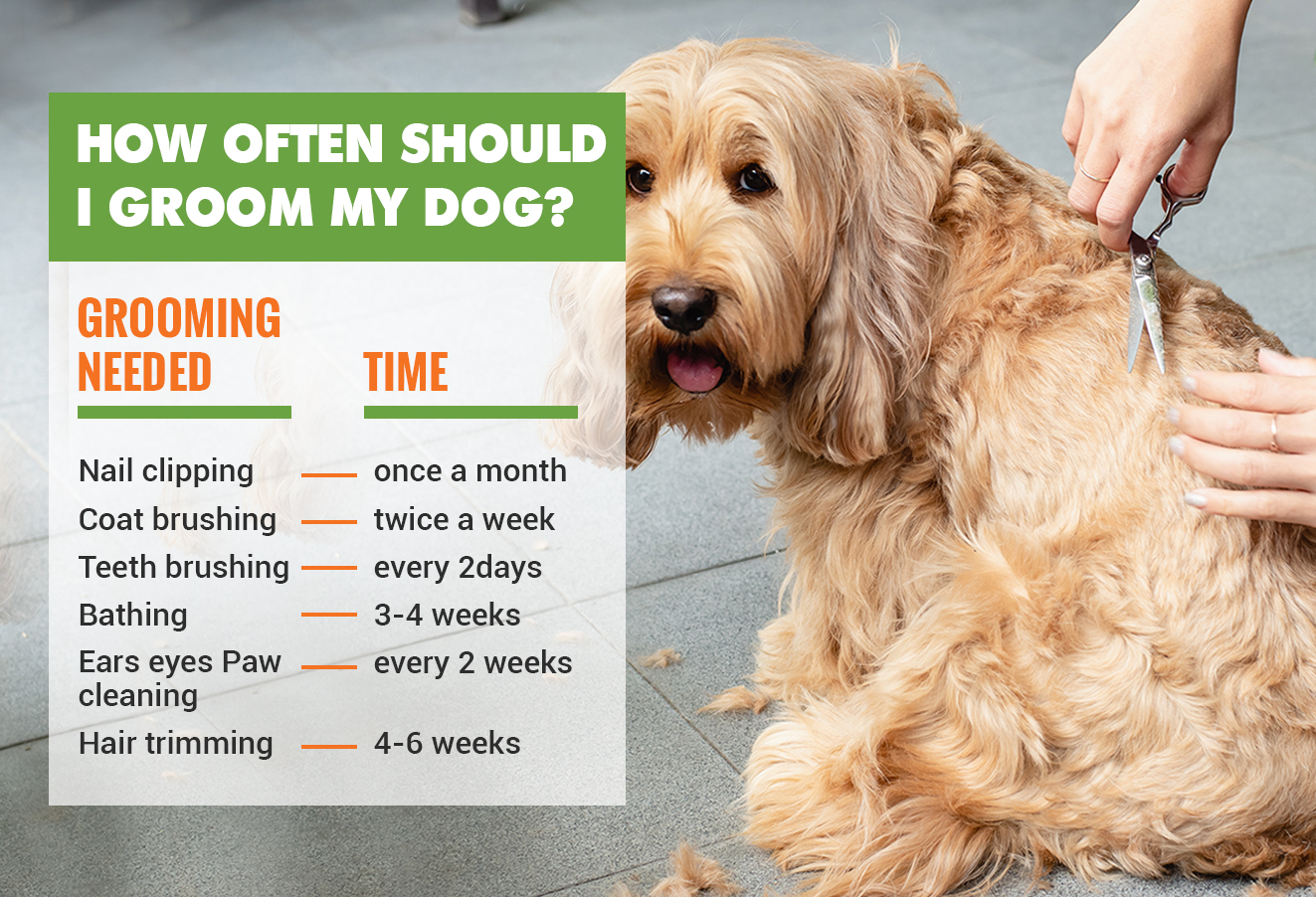
    You need to brush your pet’s fur regularly to keep it tidy and shiny. Different breeds have varying fur lengths and textures. This is a crucial factor in how frequently you need to brush your dog’s coat.

    Bulldogs, dachshunds, airedales, cairn terriers, and other short-haired breeds with smooth or wiry coats require weekly brushing. Use a rubber-bristled brush to help distribute skin oils through their fur for that glossy shine.

    Shih Tzus, poodles, spaniels, and other breeds with long, smooth or curly fur require daily brushing using a steel comb and a slicker brush to remove debris and prevent matts and tangles.

    Here’s an example of one of the tools you will need:

    Flamingo Slicker Brush Babu Smooth & Shiny Dog Brush, AED 46.50

    https://www.petsdelight.com/flamingo-slicker-brush-smooth-shiny-dog-brush 


    Meanwhile, breeds with double coats (e.g., labradors) need weekly deshedding on top of their regular brushing routine.

    Ideally, long-haired dogs should undergo full grooming at home or in a grooming clinic every four to eight weeks. For short dogs, a monthly bath should suffice.


    2. Hair trimming

    Most canine parents take their dogs to a professional pet groomer for a haircut. However, it pays to know how to trim overgrown fur around your dog’s paws or eyes between those trips to ensure their fur doesn’t block your pet’s vision or cause them to slip while running.


    Here’s what you will need:

    Flamingo Groo'me Trimming Dog Grooming Scissors, AED 36.75

    https://www.petsdelight.com/flamingo-dog-trimming-scissors


    Before you proceed, make sure your pup is calmly lying down. Move carefully and slowly, and pay extra attention and care when the scissor blades are close to your pet’s skin. Once done, be sure to reward your fur baby with dog treats.

    Important: If you’re not confident enough to do this without hurting your dog, it’s best to leave the task to a professional groomer.


    3. Bathing

    Dogs need regular (but not too frequent) baths to prevent their fur from drying out. Depending on your pet’s breed and coat type, you may need to bathe them just once a month or every three to four weeks.

    Before the bath, be sure to brush your dog’s fur first, especially if it is matted.

    Then, starting from the neck back, wet their fur and apply doggie shampoo. You can use a mild product for puppies or your vet-recommended brand for itch relief as needed.

    Here’s a good product you can try:

    Vet's Best Flea Itch Relief Veterinarian Formulated Dog Shampoo 16oz, AED 88.20

    https://www.petsdelight.com/vet-s-best-flea-itch-relief-shampoo-for-dogs


    Build up a lather and scrub before rinsing with warm water.

    After the bath, dry your pet using a microfiber towel. You can hasten the drying process with a hair dryer, keeping it on the low setting and moving it back and forth while holding it away from your pet’s skin.


    4. Nail trimming

    Trim your dog’s nails before they grow long enough to touch the ground. Do this regularly, at least once every three to four weeks.

    When cutting your pet’s nails, avoid the quick (the pink portion on the white nail). If your pet has dark nails, it would be safest to trim only a little at a time until you see signs of the quick. Keep a styptic pencil handy in case of accidental bleeding.

    You can use a sharp nail clipper or a nail grinder for this task, depending on your preference. Here’s one example of the tools you can use:

    Mikki Scratch Me Not Guillotine Claw Clipper Dog & Cat Grooming, AED 44.50

    https://www.petsdelight.com/mikki-grooming-guilotine-claw-clipper


    Note that your pet may need some time to acclimate to whichever tool you use. You can trim a little (or even pretend to trim) one nail daily and reward your pet with treats and praises to help ease them into a regular nail trim routine.


    5. Teeth brushing

    Like humans, dogs need regular toothbrushing and dental care. If they are still not used to it, you may need to ease them into this routine by rubbing their gums and teeth with your fingers. Put a small amount of toothpaste on your puppy's teeth and let them lick or sniff it before moving on to using a toothbrush.

    Dental treats can also help with removing dental plaque; below is an excellent example:

    Whimzees Natural Dog Treats Variety Value Box, AED 120.75

    https://www.petsdelight.com/whimzees-variety-value-box


    Keep in mind that plaque buildup begins after 48 hours, so you must consistently build your pet’s teeth brushing routine daily or at least two or three times per week. Besides plaque, regular tooth brushing can also help prevent medical concerns, such as kidney and heart disease.


    6. Eye cleaning

    Clean your dog’s eyes every two weeks using a soft washcloth or cotton ball moistened with warm water. Gently wipe away any discharge in the corners of their eyes, avoiding the eye.

    For convenience, you can also use products designed for dogs’ eyes, like the following example:

    Vet's Best Clean Eye Round Pads 100 pads, AED 36.75

    https://www.petsdelight.com/vet-s-best-clean-eye-round-pads-100-pads


    When cleaning your pet’s eyes, be on the lookout for redness and other signs of irritation. If you spot any, talk to your vet about it.


    7. Ear cleaning

    Ear cleaning needs to be done at least once a month or more frequently if your pet is prone to ear problems. Similar to eye cleaning, you can use a cotton ball or damp cloth, or a product specifically made for the task. Below is a good example:

    DogsLife Ear Wipes Aloe Vera Dog 50pcs, AED 38.00

    https://www.petsdelight.com/dogslife-ear-wipes-aloe-vera-dog-50pcs


    Do not force anything into your dog’s ear. Watch out for debris, redness, swelling, brown or yellow discharge, or a foetid odour. If you notice any of these signs of infection, take your dog to the vet immediately.

    Suggestion: Create an optimised infographic similar to this one in the pet grooming FAQs on the Pet’s Delight blog page.


    Make Pet Grooming at Home Fuss-Free

    Home grooming for dogs is an important part of pet parenthood. Make sure you have everything you need and know how to perform these tasks to keep your pup tidy, healthy, and happy.

    Are you a new fur parent? Get your grooming questions answered here or contact us for professional advice. We’re ready to help.

  • 80 Most Popular Cat Names
    October 20, 2024
    4102 view(s)

    80 Most Popular Cat Names

    According to the Guinness World Records, the ancient Egyptians were the first to name a cat. This happened during the reign of Thutmose III (1479-1425 BC), wherein a feline was given the name Nedjem, which means `sweet' or `pleasant'.

    Today, owning a cat comes with the important responsibility of naming them. Giving your feline pet a name strengthens your bond with them, making them feel like a cherished member of your family.

    Cat names also serve as a means of communication, helping your pet recognise when they are called, which is essential for their safety. It aids in identification, allowing others to know them, especially when they get lost or need veterinary care.

    Moreover, a unique name reflects your pet’s one-of-a-kind personality.

    These reasons demonstrate that naming your feline pet is just as important as shopping for the cat supplies they need to stay healthy and happy in your home.


    Top Names for Cats

    Since naming a cat is a crucial part of being a pet owner, you may end up spending more time than necessary trying to find the perfect one for them.

    We’ve rounded up below the most popular cat names (in no particular order) based on specific categories to help you come up with the ideal moniker for your precious feline friend faster.


    Female Cat Names

    Female cats are known for their independence and nurturing nature. They often display strong maternal instincts, especially if they've had kittens. They are typically more reserved and cautious but affectionate with familiar humans.

    Female cats are also agile, playful, and territorial, demonstrating a mix of grace and assertiveness in their behaviour.

    Below are the most popular names for female cats that convey their personality:

    1. Bella
    2. Cleo
    3. Daisy
    4. Lily
    5. Lucy
    6. Luna
    7. Misty
    8. Molly
    9. Poppy
    10. Tilly


    Male Cat Names

    Male cats are friendly and affectionate with their owners. They are also more sociable and can easily blend in with other feline pets.  

    Male cats are more playful, making them the perfect pet for anyone who wants a frisky, active four-legged family member.

    If you need to name a male cat, get some ideas below:

    1. Alfie
    2. Charlie
    3. George
    4. Harry
    5. Jasper
    6. Leo
    7. Max
    8. Milo
    9. Oliver or Ollie
    10. Oscar


    Unisex Cat Names

    Cats can exhibit the distinct characteristics of both sexes and change their dispositions once they are spayed or neutered. For instance, female cats tend to be more relaxed and want to spend more time indoors after they are spayed since they are no longer hormonal.

    If your furry friend displays both traits or you simply want a gender-neutral name for your pet, find inspiration below:

    1. Pumpkin
    2. Smudge
    3. Boo
    4. Bubbles
    5. Fudge
    6. Fluffy
    7. Fuzzy
    8. Patches
    9. Tabby
    10. Socks


    Names According to Colour and Coat Patterns

    Choosing a name for your cat based on their colour and coat pattern is a fun and meaningful way to highlight their unique appearance. Whether your feline friend has a solid coat, stripes, or spots, selecting a name that complements their fur can enhance their identity and add a personal touch to your bond.

    Below are the most popular cute names for cats based on their colour and coat pattern:

    1. Alfie (ginger)
    2. Bow Tie (black and white)
    3. Buster (black)
    4. Casper (white)
    5. Felix (black and white)
    6. Max (black)
    7. Misty (grey or blue)
    8. Molly (tabby)
    9. Poppy (tortoiseshell)
    10. Sooty (black)


    Celebrity Names

    Naming your cat after a popular celebrity is a fun way to show your admiration for iconic figures while giving your pet a distinctive and memorable identity. A name inspired by an actor, musician, or sports star can provide your pet with a sense of glamour and uniqueness.

    Choosing a celebrity-inspired name can also reflect your cat’s personality traits or physical characteristics, adding a layer of charm and individuality to their presence in your home.

    Here are the most popular celebrity-inspired cat names:

    1. Beyonce (Beyonce Knowles)
    2. Chrissy (Chrissy Teigen)
    3. Freddy (Freddy Mercury)
    4. Harry (Harry Styles)
    5. Hailey (Hailey Bieber)
    6. Jennie (Jennie Kim of BLACKPINK)
    7. Jimin (Jimin of BTS)
    8. Justin (Justin Timberlake)
    9. Marley (Bob Marley)
    10. Swift (Taylor Swift)


    Book or Literary Character Names

    Naming your feline pet after a book or fictional character adds a touch of literary charm to their personality. Whether inspired by classic literature or modern novels, these names can give your cat a sense of mystery and elegance and celebrate your love for reading and storytelling.

    Below are the best cat names based on book and literary characters:

    1. Buttercup (Hunger Games)
    2. Cheshire Cat (Alice in Wonderland)
    3. Crookshanks (Harry Potter)
    4. Dolores (Harry Potter)
    5. Electra (Old Possum’s Book of Practical Cats)
    6. Merlin (Legend of King Arthur)
    7. Mrs. Norris (Harry Potter)
    8. Snowbell (Stuart Little)
    9. The Cat (Coraline)
    10. Tigger (Winnie-the-Pooh)


    Movie and TV Character Names

    Giving your cat a name from a movie or TV character brings a dash of cinematic glamour and excitement to their identity. This option adds a playful and recognisable touch to your pet’s personality.

    Below are some famous movie and TV characters that can give your pet a standout name:

    1. Barbie
    2. Deadpool
    3. Flounder
    4. Fury
    5. Jabba
    6. Lasso
    7. Luke
    8. Shinx
    9. Simba
    10. Wednesday


    Food-Inspired Names

    Food-inspired names are playful and fun, and can reflect your cat’s appearance, personality, or your favourite culinary delights. Sweet treats, savoury dishes, and exotic flavours and ingredients, add a creative and charming touch to your pet’s character.

    Find inspiration for a delicious-sounding name suitable for your feline pet:

    1. Almond
    2. Bailey
    3. Chive
    4. Cookie
    5. Dijon
    6. Flan
    7. Morel
    8. Oreo
    9. Prosecco
    10. Velveeta

    With these names, you can lessen the time you need to pick the perfect moniker for your feline friend. You can also mix and match them or create pun names (think Hairy Styles, Ben Catleck, Kitty Purry, or Catti B) to let out your creative, fun side.


    Teaching Your Cat Their Name

    Once you’ve decided on a name for your feline friend, the next step is teaching them to recognise and respond to it.

    Below are some tips to help you with this process:

    1. Stick to a simple, short name.

    Although you can be as creative and whimsical as you want when coming up with a name for your pet, avoid choosing a long, complicated one.

    Giving your feline friend a simple, short name makes it easier for them to recognise and remember it. One to two-syllable monikers are best.

    However, if you want to give your cat a long, multisyllabic name, ensure it comes with a nickname and use this short version when training them.


    2. Create and follow a training schedule.

    Choose a quiet, distraction-free environment where your cat feels safe and comfortable. This setting ensures your pet can focus on you without being startled or distracted.

    The timing of training sessions is also important. Choose a time when your cat is calm and receptive, such as after a meal of wet or dry cat food or a nap. Avoid teaching them when they are too energetic or tired since they will only be distracted and not pay attention to you.

    Also, remember that short, regular sessions are more effective than long, infrequent ones, which is why you should set and follow a schedule.


    3. Be consistent.

    Consistency is crucial when teaching a cat their name because when they hear it repeatedly, they will gradually understand that you are calling and talking to them. This will eventually make them more responsive to your calls and commands.

    Conversely, inconsistent use of different names or nicknames can confuse your cat, delaying their learning process and weakening the bond between you and your pet.

    As such, use the same name while teaching your pet to create a sense of familiarity and trust and help them be a well-adjusted and happy cat.


    4. Use rewards and positive reinforcement.

    Felines respond to edible rewards, which is why you should have a stock of treats or dry cat food to give them during training.

    Choose lickable cat treats, soft chews, and other treats specific for training. Avoid feeding them food you give them for meals so they would be excited about their reward.

    Be generous with giving your pet treats. Feed them when they look or go to you when you call them by their name.         

    Reward your cat verbally as well. Praise, pat, or hug your cat whenever they respond to you.


    5. Gradually remove the edible rewards.

    Gradually phasing out edible rewards when teaching a cat their name is essential for fostering long-term obedience and reducing their dependency on treats.

    Start reducing the frequency of treats once your feline friend reliably responds to their name. Replace these edible rewards with verbal praise, petting, playtime, or cat toys to maintain positive reinforcement without over-reliance on food.

    This transition helps your cat learn that responding to their name is inherently rewarding, helping them develop a more reliable behaviour. Over time, your cat will act in response to their name out of habit and affection rather than just for the promise of a treat.


    What’s in a Name?

    Choosing a popular name for your cat adds to their unique charm, and teaching them to respond to it enhances your bond. By following these tips, you can ensure successful training outcomes and build a strong connection with your feline friend, as their name becomes a meaningful part of their identity.

    Contact us to know more about our cat supplies you can use for training your feline pets.

  • Sunny Days, Safe Pets: Your Ultimate Summer Guide
    July 22, 2024
    2942 view(s)

    Sunny Days, Safe Pets: Your Ultimate Summer Guide

    As summer approaches, it's essential to be aware of potential hazards that can affect our pets. Learn how to protect your furry friends from toxic plants, heatstroke, and outdoor chemicals, and ensure they have a safe, happy, and healthy season with these practical tips.

  • July 27, 2023
    1311 view(s)

    Vet Visit 101: Nail Your Pet's Care with these 10 Essential Questions

    Ensure your pet's well-being with these essential questions for your vet. From weight management to vaccinations, proactive communication with your vet leads to a healthier and happier furry friend.

  • July 25, 2023
    3147 view(s)

    A Guide to Properly Introducing a New Pet to your Cat or Dog

    Introducing a new pet to your household can be an exciting yet challenging endeavor. But fear not! Our comprehensive guide provides valuable tips and step-by-step instructions for successfully integrating a new cat or dog into your furry family. From initial preparations to gradual introductions, we've got you covered.

  • November 21, 2022
    809 view(s)

    Festive Favourite's For Your Pet This Season

    We have collected our favourite pet picks for you to shop this season, festive fun is guaranteed. Happy holidays! 

  • November 1, 2022
    1002 view(s)

    DIY Healthy Heart Treats Recipe for Pets

    This delicious and refreshing pet recipe is sure to tantalise your pets tastebuds! 

  • October 24, 2022
    1027 view(s)

    How To Introduce A New Cat Into Your Household

    So how do you introduce cats? Here’s a simple breakdown that can help you start the beginning of a new feline friendship.

  • October 7, 2022
    870 view(s)

    Is Your Dog Food Aggressive?

    Dogs have natural instincts for territory; many can be territorial when it comes to mealtime. Food aggression causes dogs to exhibit the behaviour of being protective over their food...